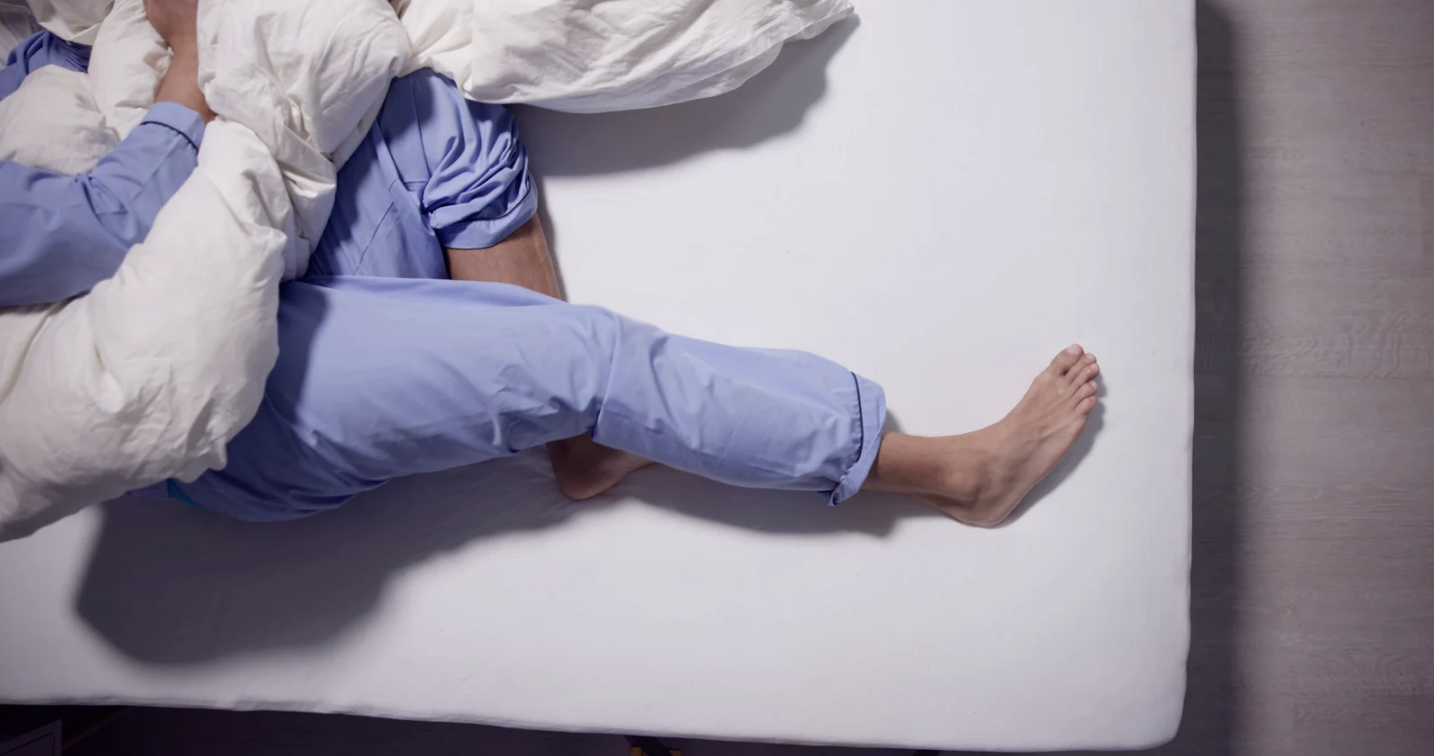
Whilst it might sound comical, Restless Legs Syndrome (RLS) is far more than a mild case of the fidgets. It can cause significant sleep disturbance, daytime fatigue, and difficulty with everyday activities such as driving, travelling, or even sitting through a film at the cinema. For many people, RLS has a real impact on quality of life and should not be underestimated.
Read on as we explains the symptoms, causes and treatment options for Restless Legs Syndrome, and give you tips for when to seek medical advice.
What is Restless Legs Syndrome?
Restless Legs Syndrome (RLS), also known as Willis–Ekbom disease, is a neurological condition that causes a strong, often irresistible urge to move the legs. People commonly describe uncomfortable sensations such as tingling, crawling, pulling or aching deep in the legs.
RLS symptoms typically:
Are worse in the evening or at night
Happen when you’re resting or sitting still
Improve with movement, such as walking or stretching
Frequently disrupt sleep
RLS is fairly common in the UK, affecting around 5–10% of adults, although symptoms range from very mild to severely disruptive.
What Causes Restless Legs Syndrome?
The exact cause of RLS isn’t fully understood, but it’s thought to be linked to changes in how dopamine works in the brain. Dopamine plays an important role in controlling movement.
RLS can be:
Primary (idiopathic) – with no clear underlying cause
Secondary, where it’s linked to another condition, such as:
Iron deficiency
Chronic kidney disease
Pregnancy (particularly in the third trimester)
Certain neurological conditions
Some medications can also trigger or worsen RLS, including:
Certain antidepressants
Antipsychotic medications
Sedating antihistamines
Because of this, a GP may suggest blood tests (including iron levels) and review any current medications.
Symptoms of Restless Legs Syndrome
People with RLS often describe:
A strong urge to move their legs
Unpleasant sensations deep within the legs
Symptoms that are worse in the evening or at night
Temporary relief when moving, stretching or walking
Some people also experience Periodic Limb Movements during Sleep (PLMS), where the legs jerk or twitch during sleep, leading to broken sleep for both the patient and their partner.
There’s no single test to diagnose RLS. Diagnosis is usually based on symptoms, and physical examination is often completely normal.
How Restless Legs Syndrome Can Affect Daily Life
For some people, RLS is more of an irritation. For others, it can have a major impact on daily life as it can lead to:
Poor sleep and ongoing tiredness
Reduced concentration and daytime alertness
Difficulty driving safely
Problems sharing a bed due to constant movement
Avoidance of cinemas, theatres or long journeys
Long-distance travel and night flights can be particularly challenging, with some people needing to get up and move frequently just to manage symptoms.
Treatment for Restless Legs Syndrome
Self-Help and Lifestyle Measures
If symptoms are mild, simple measures can make a real difference, including:
Cutting down on caffeine, alcohol and smoking
Keeping a regular sleep routine
Gentle stretching or leg massage
Warm baths or heat pads
Regular, moderate exercise (but avoiding vigorous activity late in the evening)
When to See a GP About Restless Legs Syndrome
If the above measures do not help and in particular if your symptoms are frequent or getting worse, your sleep is regularly disrupted with knock-on impacts on your work, concentration and driving, then the time has come to seek professional help.
The first step is a consultation with a GP - at Winchester GP we offer a 20 or 40 minute initial consultation- our team can advise you on the most appropriate choice. Your doctor will take a full history, review any other medications you are taking, and they may order diagnostic blood tests.
If blood tests show low iron levels, iron supplements are often the first step and can significantly improve symptoms. However, please note that your doctor will still want to look at the underlying cause of your iron deficiency, so we do not recommend ‘trying iron tablets’ as a self help treatment.
In terms of prescription medications, there are various options:
Gabapentin or pregabalin are often used, especially if pain or sleep disturbance is a problem
Dopamine agonists (such as ropinirole or pramipexole) may be used in selected cases but need careful monitoring with your GP
Opioid-based treatments are reserved for severe, treatment-resistant cases and are usually started by a specialist
Short-term sleeping tablets may occasionally be prescribed but they aren’t a long-term solution. In more complex cases, your GP may suggest a referral to a neurologist or sleep specialist.
Final Thoughts
Restless Legs Syndrome is a genuine medical condition and can have a big impact on wellbeing — but help is available. With the right assessment and treatment, most people can achieve good control of their symptoms.
If you think you may have RLS, or it’s starting to affect your sleep or daily life, don’t struggle on — book a consultation so that we can start getting you from restless to rested! .
For further support and patient-friendly information, RLS-UK (www.rls-uk.org) is an excellent resource.