Happy Sunday all, and welcome to this week's waffle, which I write in a state of some dissatisfaction. Allow me to vent!
I got new glasses this week- my first in a couple of years. This is normally a time of great excitement - I mean, who doesn’t love an eyewear glow up? And it started so positively. My new frames looked super stylish in their glittery box. The moment I put them on, the computer screen became crystal clear, I could read packets and ingredient lists, and my arms were no longer 'too short' to hold a book in the right place.
But then I looked in the mirror, and, imagine my dismay, this pair of glasses had the highly undesirable side effect of giving me multiple additional wrinkles! To check I wasn't imagining things, I put my old glasses back on, and sure enough, the wrinkles instantly disappeared- so at least no permanent damage was done! Still, I shall be writing a firmly worded letter to Specsavers, to point out this obvious manufacturing defect. Heaven forbid other glasses wearers might also experience such dermatological harm ;-)
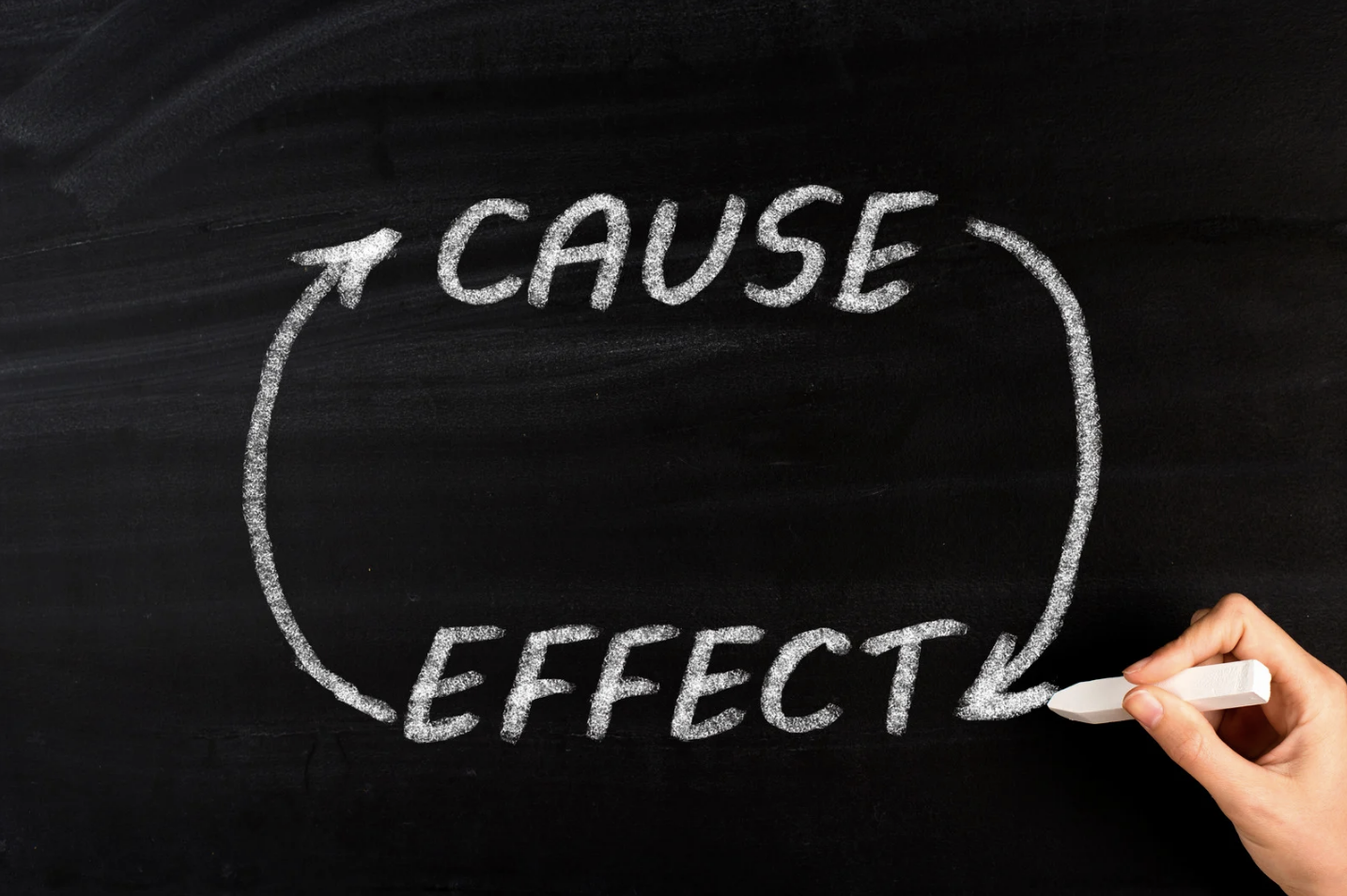
So..... what you have just witnessed is a tongue-in-cheek example of a deeply human trait; assuming a causal link between two events that coincide. And it happens all the time in medicine. I asked our doctors to give me examples of treatments they often find themselves defending from an unfair 'bad side-effects rep', and they rattled off the below with very little effort:
- vaccines for 'causing' autism (they don't)
- the flu vaccine for 'giving you the flu' (it can't, but there are plenty of other viruses that can still get you)
- statins for causing aches and pains and cramp. Fair enough they can. But aches and pains also happen naturally at the typical statin taking age. Often it's a case of poor old statin taking the rap ,and feeling pretty darn under-appreciated for, you know, preventing heart attacks and strokes and stuff...
- HRT or hormonal contraception for causing weight gain. Trust me, I have on several occasions tried to convince our doctors otherwise, (purely coincidentally after Christmas, or a treaty holiday) but those darn statistics simply don't back me up!
I should emphasise, the docs were at pains to point out that even if not supported by research, patients' experiences are no less real or important. Indeed a keenness to engage with this human element of medicine would be one of the key qualities of a great doctor. So what phenomena are they and we dealing with?
Sometimes it's just faulty or, in my case, delusional logic. But there are other powerful factors at play which can make a real difference to how different interventions work. You've probably already heard of the placebo effect? This is where, if we believe that we are taking a beneficial treatment, even if it's just thin air or water, we are going to feel some benefit- and it can be worth up to a whopping 30% improvement in some conditions. But did you know that the reverse also applies? The so-called nocebo effect is where worry and anticipation around a particular intervention can cause real negative health outcomes. This might be triggered by e.g. an incautious google search, past negative experiences, or anxiety. It can give rise to real physical symptoms like nausea, pain, or sleep problems. It's also worth considering that when trying something new, we often become hyper aware of our bodies, such that hitherto ignored symptoms suddenly become noticed and wrongly attributed.
Given how powerful both the placebo and nocebo effects can be, the onus is on each of us to be discerning with our information sources. Keep in mind that the internet is a very effective amplifier for those on the extreme ends of every statistical bell curve. The people who are pootling along 'just fine' in the middle are simply not going online to tell the world about it.
Bottom line, if you have undesirable symptoms that you suspect are side effects of a medication, the best person to help you interpret this would be a trained medical professional. Our doctors are ready and waiting to assist with evidence-based advice, combined with real-world experience and empathy.
Last but not least, try to keep your mental options open and don't skip your annual medication review. Your body changes all the time, new research is released- something that didn't work for you before may be exactly what you need now. Equally, something that you've been taking 'forever' could have new, even better alternatives.
Wishing you a wonderful week ahead,
Gemma, Tom and all at Winchester GP
xxx